
The Speed of Quality Interactions
Twenty years ago, I used to run daily around a lake near my house. One day, I saw a man rowing on the water. Because I had been a rower in college—and he was the only person I’d ever seen rowing on this particular lake—I told my wife Kari that night that I was going to meet him and see about using his boat. She laughed, highly doubtful I would succeed.
The very next day, I ran by the man just as he was pulling his boat onto the beach. I stopped, introduced myself, and learned his name was Peter. By the following week, I was using his boat.
We developed a deeply meaningful friendship around that boat. A few months later, at twenty-nine years old, I celebrated Peter’s 65th birthday with a small group of friends.
Last week, Peter rode his bicycle by my house and texted me, asking if he could stop for a drink of water. (Peter rides a recumbent bicycle these days due to his 85-year-old knees and ankles.)
When I received his text, I was in a flurry of activity, moving rapidly between conversations, decisions, and responsibilities. I was trapped in one of my familiar, circular mental states: If I just move faster, I’ll get more done, which will finally allow me to slow down.
It was in this agitated state that I ran outside to hand Peter his water, planning to exchange some quick pleasantries before immediately getting back to my to-do list.
But Peter doesn’t talk fast.
He dictates the pace of the interaction with his deep, measured voice and deeply thoughtful questions.
“Matt…” he asked, leaving a long, comfortable pause. “…what are you reading right now, and what do you think about it?”
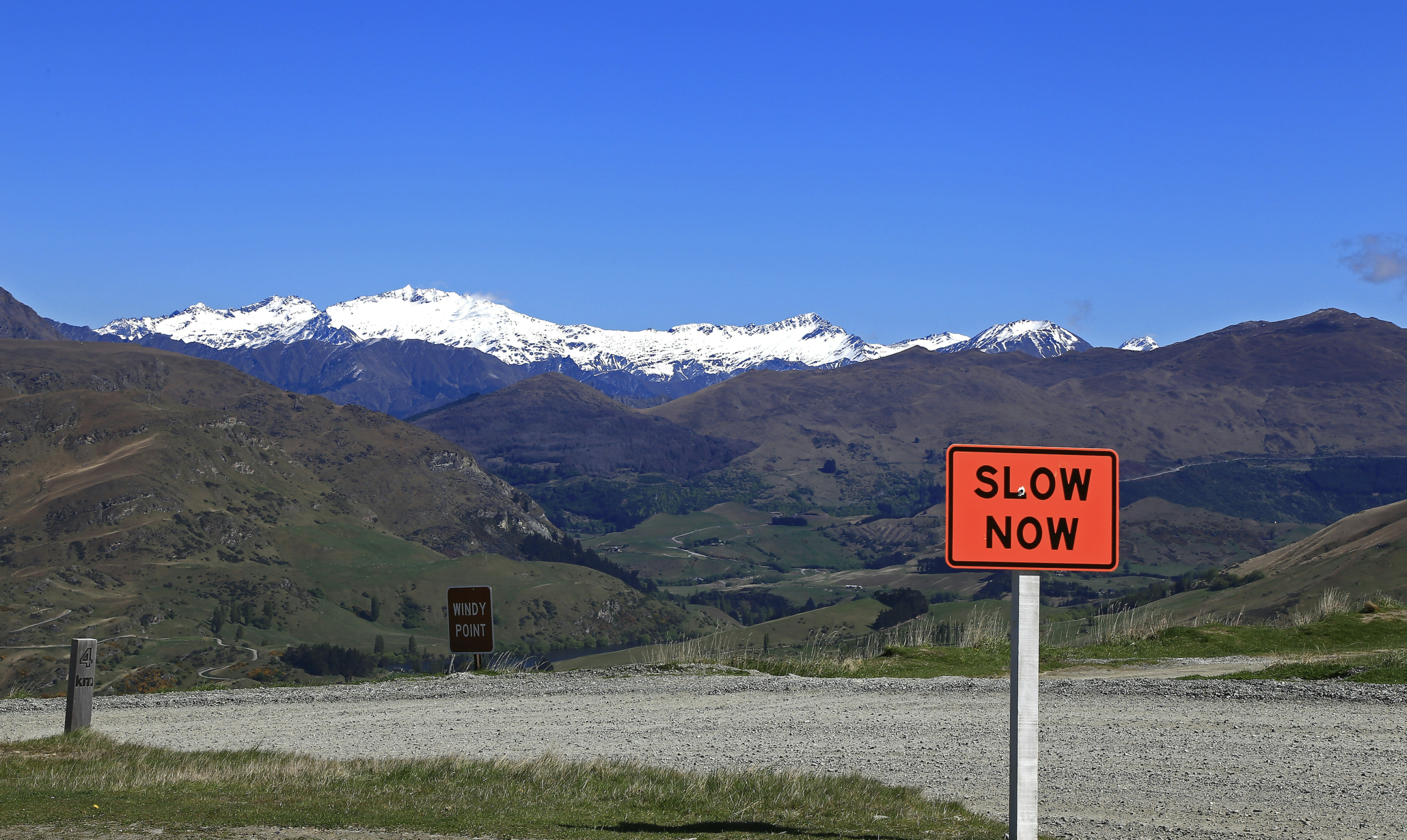
Like a speed bump slowing a speeding vehicle, his manner forced me to decelerate. We sat in longer pauses. I felt my anxiety to get on with my day begin to melt. I started breathing more deeply, my cortisol abating. I returned to my responsibilities feeling more human. I felt dignified rather than depleted.
His visit was a visceral reminder of a core truth: The speed of meaningful interactions is almost always slower than the speed of getting things done.
This poses a massive challenge for driven, productive, ambitious people. If you don’t intentionally regulate your engine, you will deteriorate your interactions. You will default entirely to transactional, evaporating exchanges.
If you want to build genuine relationship capital, you have to practice slowing down. Here is how:
- Identify where you seek depth. You can’t be fully present for every single interaction you have in a day, but you can prioritize the people and situations that matter most. In Dale Carnegie programs, for instance, participants make explicit commitments to working on a specific relationship. Those small intentions are the prerequisite for accumulating equity.
- Walk slowly through the crowd. One of my mentors used to give me this exact advice. I’ve taken it to mean that I shouldn’t project a sense of rushing when I am with others. You simply cannot have a meaningful interaction with someone while looking at your watch or inching toward the door.
- Value the compound interest. Just like financial interest compounds, so do your interactions with people. If you don’t value compound interest, you won’t save your money. Likewise, if you don’t value the long-term accumulation of your relationship capital, you are highly unlikely to savor the present moment.
We all need a physical reminder to pump the brakes. Who is the “Peter” in your life that you can seek out this week to help you slow down?







Comments are closed here.