
The Value of Space in Meetings, Schedules, and Plans
We were worried entering this summer that we didn’t have enough activity scheduled for our kids.
And yet, it turned out to be one of the best summers for our family…in large part because it was so unscheduled.
We ended up filling the unscheduled time with great spontaneity and connection.
In a similar way, I recently conducted a training workshop for a client and had worried that it didn’t include enough content. The slides and materials were not densely packed with ideas or information.
Yet people loved the training — because there was time available for meaningful reflection, connection, and practice.
Too often anxiety drives us to unnecessarily use words, activity, and information.
Words, activity, and information give us a sense of control amidst uncertainty.
How often does your anxiety drive you to fill space?
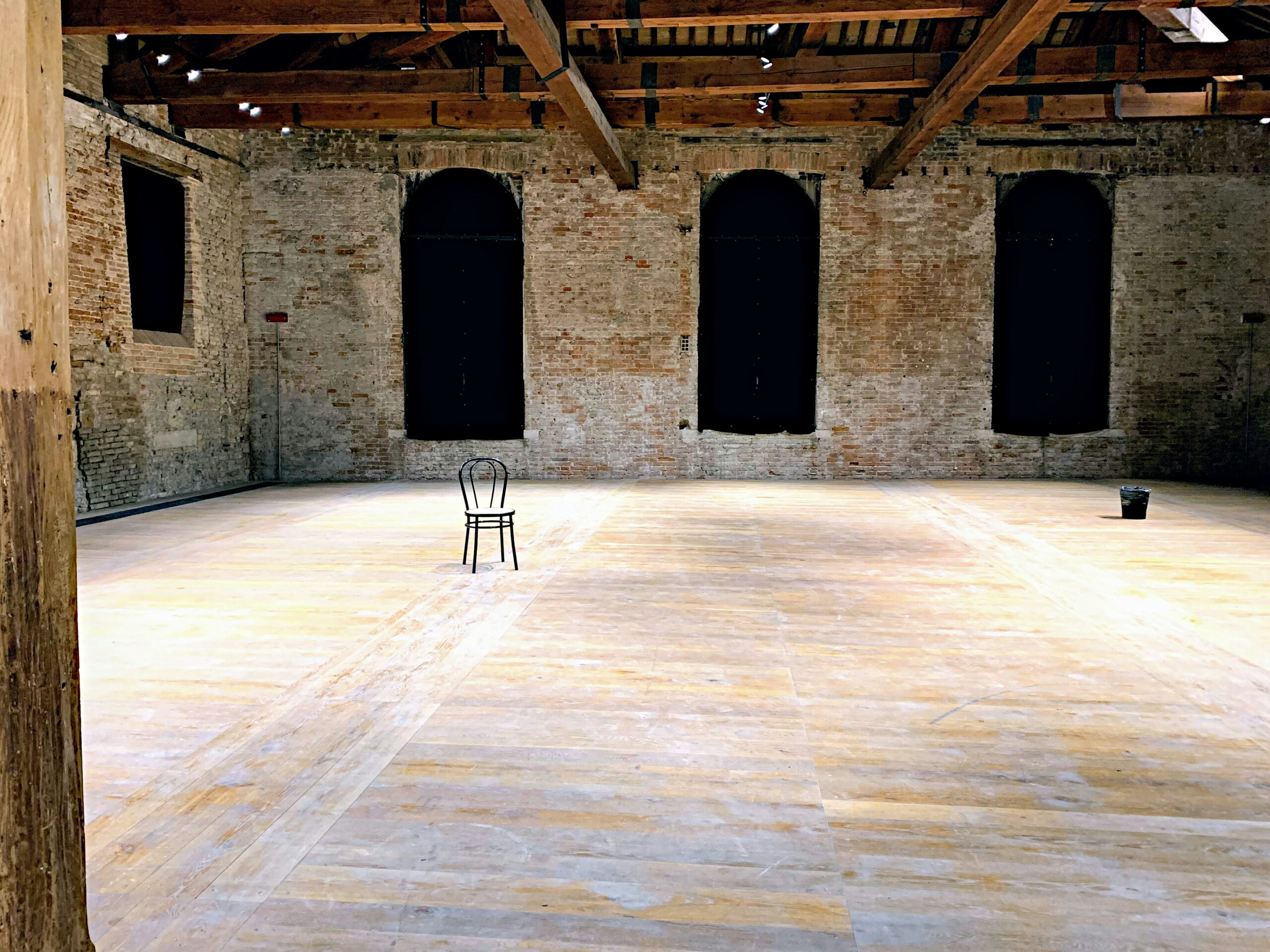
Allow Space for Silence
A wise king was known for his ability to make sound decisions. When his advisors would meet to discuss a problem, the king would listen intently. After they presented their initial thoughts, a long silence would often fall over the room. The junior advisors, anxious to prove their worth, would immediately start talking to fill the void. The wisest advisor, however, would sit in the silence, allowing the words of others to sink in.
When this advisor finally spoke, his contributions were always the most thoughtful and insightful. This helped the king made good decisions because the king understood that silence wasn’t empty; it was a space for reflection and deeper thought. By not filling the space, he created an environment where the most valuable ideas could surface.
In his book Meeting Design: For Managers, Makers, and Everyone Else, Kevin Hoffman advocates for structured silence in meetings. He argues that silence provides a moment for reflection and allows quieter, more introverted team members to process information and contribute their thoughts. A leader who rushes to fill a silent void often misses out on valuable contributions and risks groupthink rather than creative thinking.
Allow Space for Spontaneity
An architect was hired to design a new community center. During a meeting with the committee, they presented him with a detailed list of every feature they wanted to include: a gym, a library, a kitchen, a dance studio, and so on, with every inch of the building filled. The architect listened patiently, then said, “You’ve told me all the things you want to put in this building. But what if we leave some of it empty?”
The committee was confused.
“An empty space isn’t a waste,” the architect explained. “It’s a flexible space for the community to define. It could be a quiet reading nook, a place for children to play, or a pop-up art gallery. When we build with the anxiety of filling every inch, we limit all the future possibilities.”
By leaving unprogrammed space, the architect created a more adaptable and useful building.
In our world and workplaces full of anxiety and striving, we confuse activity with productivity…speaking with influencing…and information with insight.
It requires confidence and trust to allow for space.
Don’t confuse this with a passive approach that rejects meetings, forfeits agendas, ignores data, or abdicates responsibility.
Great leaders simply regulate their anxiety to allow for space, silence, and spontaneity.
This past summer served as a great reminder for me to manage my anxiety and resist the temptation to fill all the available space.
Where could you be allowing for more silence and spontaneity?









Comments are closed here.